



Introduction
Metal perforating is not a new idea. People have been punching holes in metal for over 150 years. Back in the late 1800s, miners used metal screens to sort coal. Workers did everything by hand. They punched one hole at a time. It took forever. The holes were not always straight. The sheets often broke.

Now? Everything has changed. Modern machines punch thousands of holes in minutes. The industry is huge. A 2025 industry report says the global perforated metal market will hit $12.73 billion this year. That number grows by 6.8% every year. The Asia-Pacific region takes 42% of that market. China alone makes over 60% of the region’s output. In China, the perforated sheet market will exceed 28 billion yuan in 2025.
So many people need perforated metal. Manufacturers need the right machines. Which ones do they use most? Let me walk you through the popular types. I will also tell you what each Metal Perforating Machine does best.
How Do We Group These Machines?
There are several ways to group perforating machines. The most common way is by what powers them. Industry experts say we have three main power types: mechanical, hydraulic, and pneumatic. In recent years, CNC machines have become a fourth major category.
We can also group them by how they make holes. There are three main methods. We have punch presses. We have rotary pinned rollers. And we have laser perforation.
Let me explain each one.
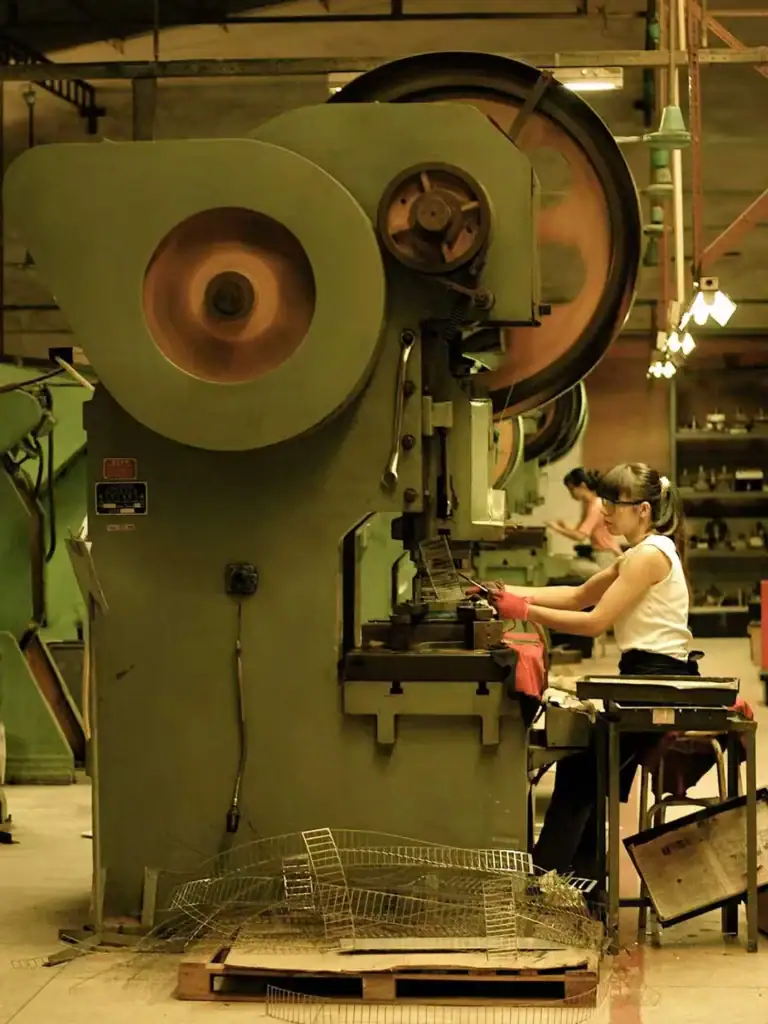

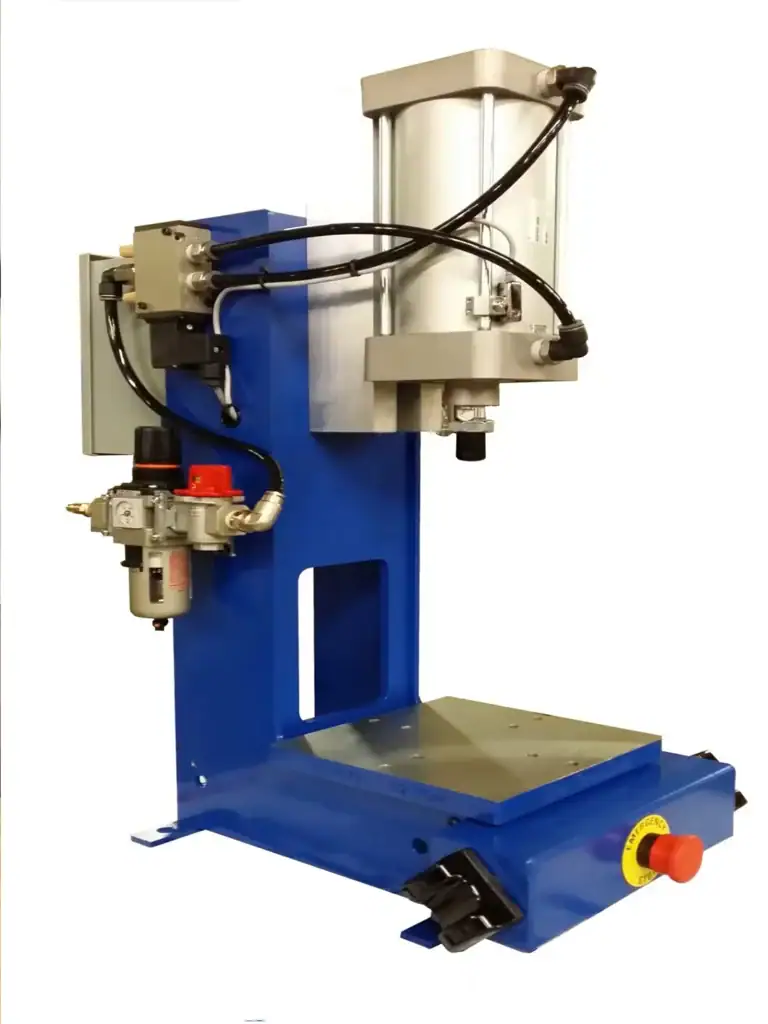
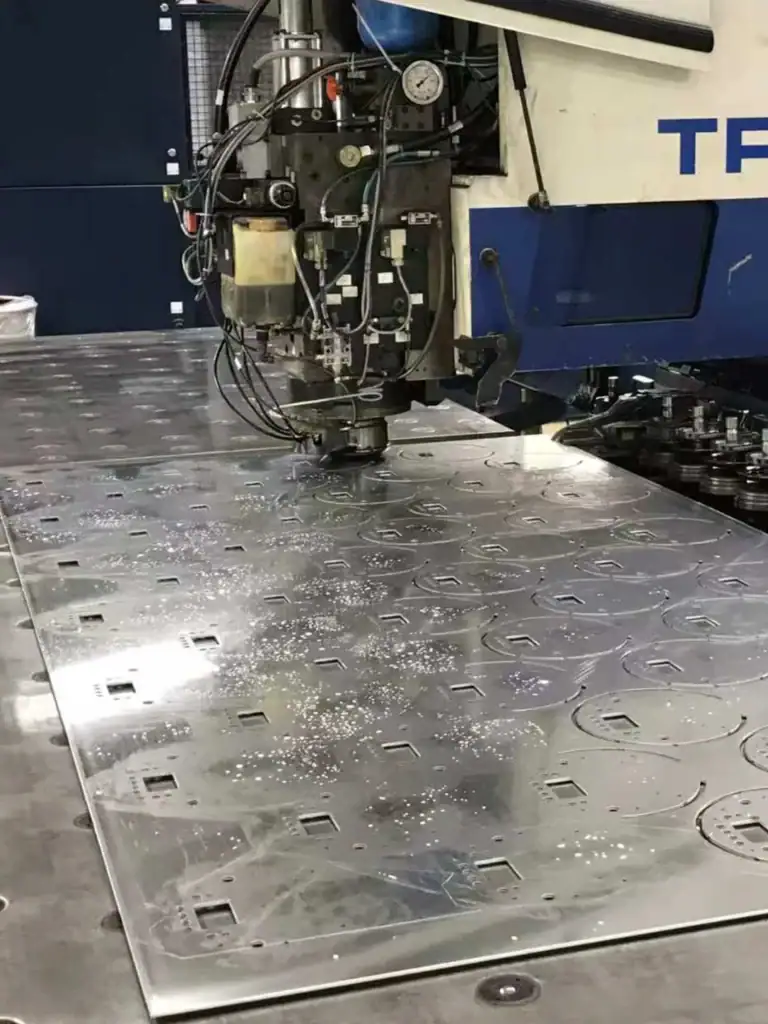
Mechanical Punch Presses
Mechanical punch presses are the old workhorses. They have been around for decades. You still see them everywhere.
How do they work? They turn circular motion into up-and-down motion. A motor spins a flywheel. The flywheel turns a crankshaft. The crankshaft moves the ram up and down. The ram punches the holes.
What makes them good?
- They are fast. Many models punch over 400 times per minute. Some hit 500 to 2,000 strokes per minute.
- They are accurate enough for most standard hole patterns.
- They are quieter than some other types.
- They are easy to learn. A new worker can pick it up quickly.
When do we use them?
We use mechanical presses for high-volume production. They work best when you need the same hole pattern over and over. They are great for automotive parts, hardware, and electrical components.
What are the downsides?
The punching force is strongest only at the bottom of the stroke. This makes them less ideal for very thick materials. Complex shapes are also tricky.
Hydraulic Punch Presses
Hydraulic presses use fluid power. A pump pushes oil through pipes. The oil moves a cylinder. The cylinder pushes the ram. This system gives you even pressure throughout the whole stroke.
Why do people like them?
- They give constant force. The pressure does not drop off.
- They have more power. They can handle thick plates and big holes.
- They have a “soft touch” feature. The ram starts slow and speeds up. This is good for delicate work.
- They are quiet too.
- They are precise. Accuracy can reach ±0.1 mm.
Best uses?
These are heavy-duty machines. They punch thick steel plates. They make large-diameter holes. They do complex forming. They work with steel, iron, copper, and aluminum. They also handle shaped steel like channel beams and I-beams. In the auto industry, hydraulic presses are the go-to for heavy parts.
Any drawbacks?
Yes. They cost more to buy. They use about twice as much energy as mechanical presses. You need to change the hydraulic fluid every 1.5 to 2 years. Maintenance is more expensive.
Pneumatic Punch Presses
Pneumatic presses run on compressed air. They are simpler and lighter than hydraulic or mechanical machines.
What are the good points?
- They have a simple design. Fewer parts mean fewer breakdowns.
- You can adjust the stroke length easily.
- They fit well in automated lines.
- They are cheaper to buy and run.
Where do we use them?
Pneumatic presses handle small to medium tonnage jobs. They work with lighter materials. They are good for smaller production runs.
What is the catch?
They cannot produce as much force. They are not for heavy materials or large holes.
CNC Punching Machines
CNC machines have changed everything. CNC stands for Computer Numerical Control. A computer tells the punch where to go. It tells it what to do. The machine can handle complex patterns. It can use multiple hole sizes without stopping for manual tool changes. Today, the CNC Punch Press is one of the most sought-after machines in the market.
There are a few types of CNC machines.
CNC Turret Punch Press (NCT)
This machine has a turret. The turret holds many different tools. It spins to bring the right tool into position quickly. The machine can punch different hole sizes and shapes in one setup. These are common for electrical cabinets, enclosures, ventilation panels, and precision sheet metal work. They are great for medium to large batch production.
CNC Hydraulic Punch Press
This combines hydraulic power with computer control. It uses a hydraulic head for punching. Some models hit 700 to 1,200 strokes per minute. You get the constant force of hydraulics and the precision of CNC.
CNC Servo Punch Press
This is a newer type. It uses servo motors instead of traditional drives. For sheets thinner than 0.5 mm, servo presses are the way to go. They reach 600 to 900 strokes per minute. That is much faster than old hydraulic models.
Why do people love CNC machines?
- They are very precise. Repeatability can reach ±0.03 mm. Turret presses achieve about ±0.05 mm.
- They run automatically. You can leave them alone for long periods.
- They are flexible. You do not need to change tools by hand.
- They save money on large runs. The higher upfront cost pays off over time.
Are there any negatives?
Yes. They cost more to buy. You also need skilled operators and programmers.

A Trusted Partner in CNC Technology
When it comes to CNC machines, choosing the right manufacturer makes a big difference. One name that stands out in the industry is Blue Elephant CNC. They have been in the business for over 16 years. Their factory covers 75,000 square meters. They hold more than 120 patents and carry ISO certification. These are not small numbers. They show a real commitment to quality.
Blue Elephant builds machines for many materials. They work with wood, metal, plastic, stone, foam, acrylic, and composites. Their machines do cutting, milling, drilling, and edge banding. This range means they understand different production needs. They have sold over 20,000 CNC machines worldwide. More than 5,500 customers in over 80 countries trust their equipment. That kind of track record tells you something.
What I like about them is their focus on service. They offer free machine maintenance. They provide free software training. They help with installation and setup. They even do equipment upgrades. This matters because a machine is only as good as the support behind it. When something goes wrong, you want someone who can help fast.
They also do custom work. You can get machines tailored to your specific needs—size, configuration, functionality, even aesthetics. Not every manufacturer offers that level of flexibility.
So if you are in the market for a CNC punch press or any CNC equipment, Blue Elephant is worth a serious look. They have the experience, the scale, and the service network to back up their machines. It is one less thing to worry about when you are trying to grow your business.
Wide Presses (Full-Width Perforating Presses)
Wide presses are a special type. They do not punch one hole at a time. They have long rows of rams. All the rams come down together.
What is so special about them?
- They are extremely fast. They punch entire rows of holes in one motion.
- They are very cost-effective for simple repeating patterns.
- They produce high output. Some reach 1,600 punches per stroke.
Where do we use them?
We use wide presses for mass production. They make perforated sheets for architectural panels, acoustic panels, and filtration screens. If your pattern repeats every row, this is the best choice.
What is the limitation?
The pattern must be the same from row to row. You cannot change it easily.
Sectional Presses (XY Axis Punch Presses)
Sectional presses work differently. The sheet does not move through the machine. Instead, the punching tools move across the sheet section by section.
What are their features?
- They handle flexible patterns. They can do complex, non-repeating designs.
- They use a single die or a small group of rams.
When do we use them?
We use sectional presses for custom work. The hole pattern may not be the same across the sheet. These are common for architectural features and decorative panels.
What is the downside?
They are slower than wide presses.
Rotary Pinned Perforation Rollers
This method is completely different. There is no up-and-down punching. Instead, large cylinders have sharp needles on their surface.
How does it work?
Sheet metal runs under the rollers. The needles punch holes as the cylinders turn. The process is continuous.
What are the advantages?
- This is the fastest method. Nothing beats it for speed.
- The process is continuous. You feed the sheet, and it keeps going.
- Some systems heat the needles. The heat melts the metal around the hole. This makes the hole stronger.
Best uses?
Rotary pinned perforation is best for making large quantities of identical holes at high speed.
What is the limitation?
It is not flexible. You can only do one hole pattern at a time.
Laser Perforation
Laser perforation uses focused light beams. The laser burns holes in the metal.
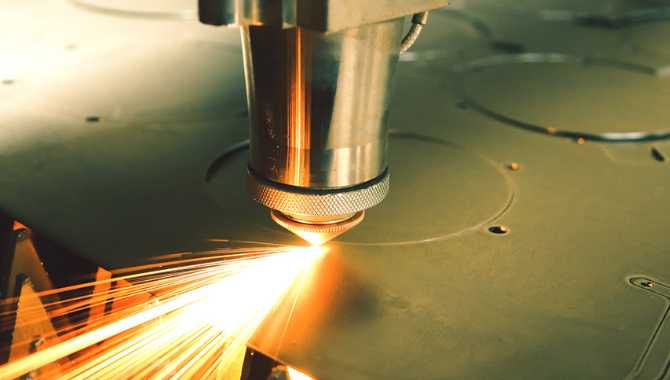
Why do people choose laser?
- It is very precise. You can make holes as small as 0.01 mm.
- You do not need tooling. No expensive dies for each pattern.
- It is non-contact. The laser does not touch the material. No surface damage.
- There are no burrs. The holes are clean and smooth.
- It is very flexible. You can make any hole shape you want.
When should you use laser?
Laser is good for small-batch production. It is good for custom orders. It is great for complex hole shapes. It also works well with thin materials (up to 3 mm).
What are the drawbacks?
Laser is slower for large volumes. It costs more to run. The average selling price of a laser perforation machine is about $180,000. In 2025, global sales reached about 32,000 units.
How Do You Pick the Right Machine?
You need to consider several things. Let me list them for you.
| Factor | What to think about |
|---|---|
| Material thickness | Thicker materials need more force. Use hydraulic or mechanical. |
| Hole size | Big holes or high precision may need specific machines. |
| Production volume | High volume? Use mechanical, wide press, or rotary pinned. Low volume? Use laser or CNC. |
| Pattern complexity | Simple repeating patterns work with wide presses. Complex patterns need CNC or sectional. |
| Budget | Mechanical costs less upfront. CNC and laser cost more but give more options. |
Here is a simple rule. For sheets under 3 mm with complex shapes and small batches, laser is often better. For sheets over 6 mm or special processes like louvering or shallow drawing, use CNC Punch Press machines.
Industry Standards You Should Know
The industry follows certain standards. These ensure quality and safety. In China, the national standard GB/T 33639-2025 covers CNC hydraulic punch-drill combination machines. It was published in October 2025. It takes effect in May 2026. This standard applies to machines that punch, drill, and mark flat parts.
Another standard is JB/T 14907-2024. It covers punch-stretch combination hydraulic presses. That standard took effect in January 2025.
These standards help manufacturers build reliable machines. They also help buyers know what to expect. At Xiongqian, we follow these standards closely to ensure our machines meet the highest quality requirements.
FAQ
Q: Which machine is the most common for perforated metal?
A: Punch presses are the most common. Among them, mechanical punch presses are very popular for high-volume work.
Q: What is the difference between mechanical and hydraulic?
A: A mechanical press uses a flywheel and crankshaft. Maximum force is only at the bottom of the stroke. A hydraulic press uses fluid pressure. It gives constant force throughout the stroke. Hydraulic presses are more powerful but more expensive.
Q: When should I choose laser over punching?
A: Choose laser when you need very small holes (down to 0.01 mm), complex or custom shapes, or small batches. Choose punching for high-volume production of standard holes.
Q: What is a CNC turret punch press?
A: It is a CNC-controlled machine with a rotating turret. The turret holds many tools. It spins to bring the right tool into place. This lets the machine punch different hole sizes without stopping for manual changes.
Q: How fast are these machines?
A: Mechanical presses can exceed 400 strokes per minute. High-speed models reach 500 to 2,000. CNC servo presses for thin sheets hit 600 to 900. Wide presses can do 1,600 punches per stroke.
Q: Which machine is best for a small workshop?
A: A CNC turret press offers good flexibility. Laser is also good for custom work and small batches. Pneumatic presses are a low-cost option for lighter work.
Conclusion
The metal perforating industry has many machine types. Each one has its own strengths. Mechanical presses are fast and reliable for high volume. Hydraulic presses give more power for thick materials. CNC machines offer precision and flexibility. Wide presses and rotary rollers are the most efficient for simple patterns. Laser perforation gives unmatched precision for complex and custom work.
The global perforated metal market is growing. It is expected to reach $12.73 billion in 2025. Choosing the right Punching Machine matters more than ever. Your choice depends on your material, your pattern, your volume, and your budget. If you understand each machine, you can make a smart choice. That choice will help you stay competitive in this growing industry.
If you are looking for reliable perforating equipment, Xiongqian offers a range of solutions tailored to different production needs. With years of experience in the field, Xiongqian continues to support manufacturers around the world with quality machines and responsive service.
