



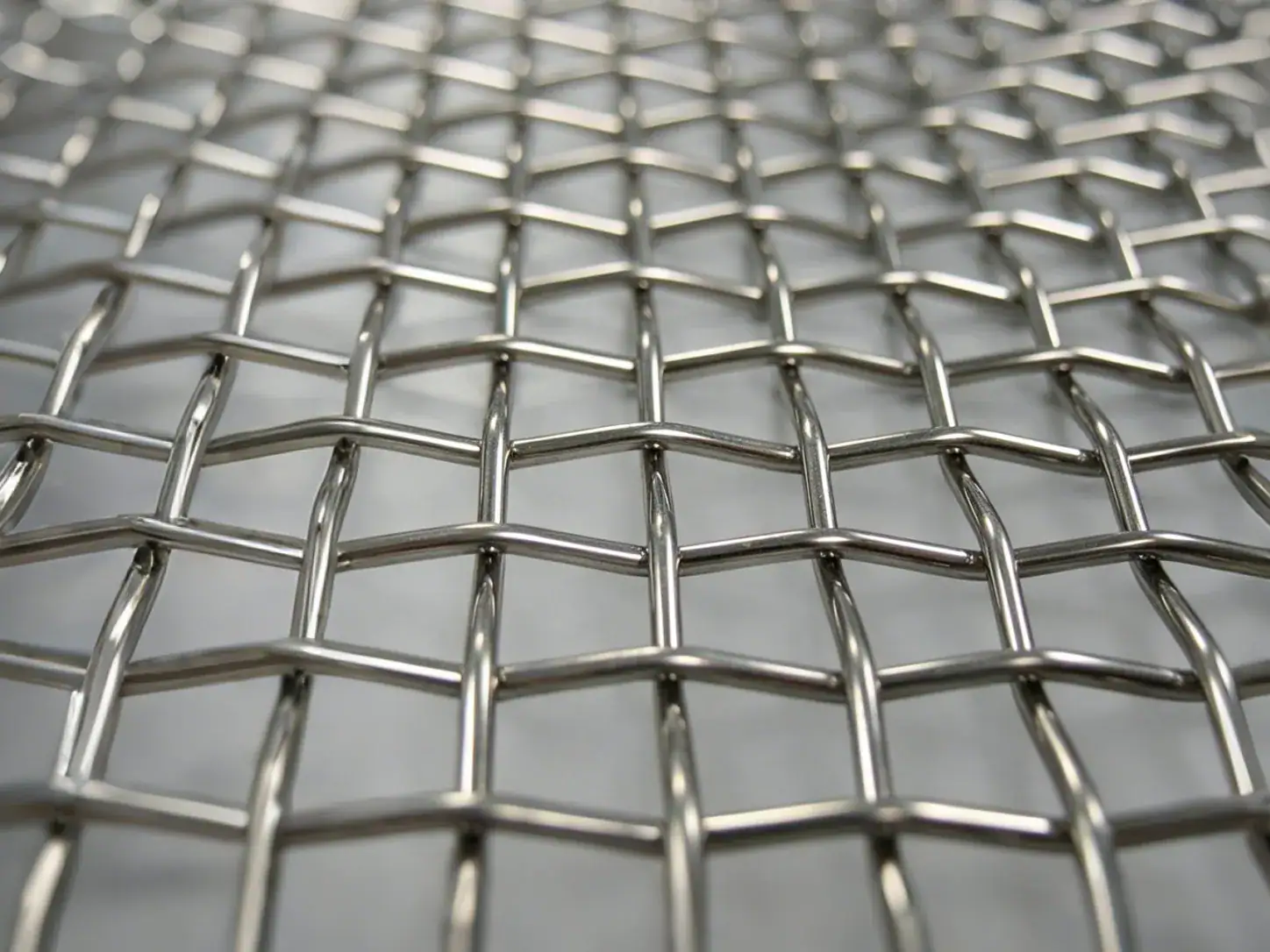
Wire Mesh Products
Xiongqian wire mesh is manufactured from high‑quality stainless steel, carbon steel, copper, and other metal wires through precision weaving or welding.
It features uniform openings, high open area, excellent tensile strength, and corrosion resistance – widely used in filtration, safety guards, agricultural fencing, architectural cladding and so on. We offer plain weave, twill weave, Dutch weave, and welded mesh constructions, with mesh sizes from 20 to 500 mesh and wire diameters from 0.05mm to 6mm.
Custom cutting and edge finishing are available. Whether you need fine sieving or heavy‑duty barriers, Xiongqian delivers the right wire mesh solution.
The two most common types of wire mesh
Among wire mesh products, welded mesh and woven mesh represent the two most common manufacturing processes.
Welded mesh is produced by resistance‑welding crossing wires into a rigid, flat panel with stable openings – ideal for high‑strength applications such as concrete reinforcement, security fencing, and shelving.
Woven mesh, on the other hand, is created by interlacing warp and weft wires in an over‑under pattern, offering uniform openings, high open area, and good flexibility. It excels in screening, filtration, and decorative uses. Xiongqian supplies both process types and can customize material, mesh count, and dimensions according to your needs.
Welded Products
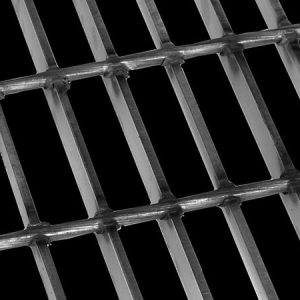
Steel grating is manufactured by resistance‑welding or press‑locking bearing bars and cross bars, forming a high‑strength grid structure.
It is widely used for industrial platforms, stair treads, trench covers, and equipment walkways, offering excellent load capacity and anti‑slip performance. Read more about steel grating.

Fence is made from high‑quality steel wire or expanded metal panels welded together, with PVC or powder coating finish.
It is ideal for highways, airports, industrial zones, and residential community separation, providing security protection and visibility. Read more about fence.

Court fence consists of welded wire mesh panels assembled with posts, offering high strength, impact resistance, and UV stability.
It is specifically designed for tennis courts, basketball courts, soccer fields, and baseball diamonds – ensuring player safety and ball containment. Read more about court fence.

Punched screen uses perforated metal panels welded to square or round tube frames.
It is commonly used for construction site barricades, factory temporary barriers, and municipal project enclosures – providing ventilation, dust reduction, and an aesthetic appearance. Read more about punched screen.
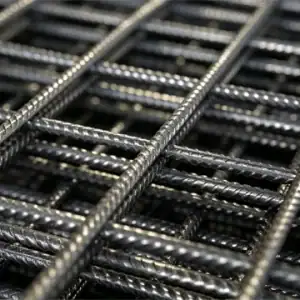
Welded wire mesh is produced by resistance‑welding longitudinal and transverse wires at intersections, forming a flat and rigid panel.
It is widely used for concrete reinforcement, animal enclosures, warehouse shelving, and construction rebar mesh. Read more about welded wire mesh.
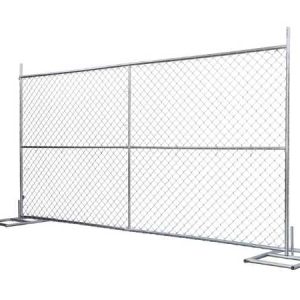
Temporary fence for foundation uses welded mesh panels with portable bases – easy to install, dismantle, and reuse.
It is specifically designed for excavation pits, trenches, and construction site perimeter warning and isolation, complying with safety regulations. Read more about temporary fence for foundation.
Woven Products
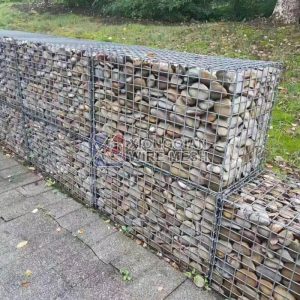
Stone cage net (gabion mesh) is woven from heavily galvanized or PVC‑coated steel wire into hexagonal cells, offering flexibility and corrosion resistance.
It is used for riverbank protection, retaining walls, slope greening, and flood control – filled with stones to create a flexible, permeable structure. Read more about stone cage net.

Slope guardrail uses high‑tensile woven wire mesh combined with support ropes, applied over rock slopes.
Active systems prevent rockfall; passive systems catch falling stones – ensuring safety for highways and railways. Read more about slope guardrail.

Ginning net (crimped wire mesh) is woven from pre‑crimped metal wires in plain or twill patterns, providing slip‑resistant openings and high strength.
It is widely used for mining screening, aggregate sizing, food drying trays, and decorative arts. Read more about ginning net.
How to Choose the Right Wire Mesh
When selecting wire mesh, Mesh Size, Mesh Count, and Weave Type are the three critical parameters that determine performance. Xiongqian breaks them down for you:
1. Mesh Size
Mesh size refers to the clear distance between adjacent wires, typically measured in millimeters (mm) or inches. Coarse particle screening (e.g., ores, grains) requires large openings (2mm–20mm); fine filtration (e.g., powders, liquids) needs small openings (0.02mm–1mm).
Xiongqian offers full‑range custom mesh sizes from 0.02mm to 20mm.
2. Mesh Count
Mesh count is the number of openings per linear inch (25.4mm). The higher the mesh count, the tighter the weave and the higher the filtration precision.
For example: 20 mesh for coarse screening, 200 mesh for micron‑level filtration, 500 mesh for ultra‑high precision. However, excessively high mesh count increases resistance and reduces flow rate.
Xiongqian engineers can recommend the optimal mesh count based on your media viscosity and flow requirements.
3. Weave Type
Plain Weave: The simplest over‑under pattern – uniform openings, high open area, economical. Ideal for most general filtration and protection applications.
Twill Weave: Each warp wire passes over two weft wires then under two – finer and stronger. Suitable for high‑pressure filtration and fine particle separation.
Dutch Weave: Combines thick warp wires with thin weft wires, creating a wedge‑shaped pore structure with filtration precision down to 5 microns and excellent anti‑clogging performance. Designed for high‑viscosity liquids or polymer melt filtration.
Choose Xiongqian – we not only supply standard wire mesh but also provide free selection consulting based on your operating conditions (temperature, pressure, corrosiveness, particle size distribution) to help balance precision, flow rate, and service life.
Applications for Wire Mesh
Perforated metal sheets, with their unique hole structures, high strength-to-weight ratio, and custom izability, are widely used across global industries.
Building Construction
Agricultural Fencing & Crop Protection
Industrial Filtration & Screening
Security Fencing & Protective Barriers
Architectural Decoration & Facades
Poultry Farming & Chicken Cages
Mining & Quarry Screening
Insect Screens & Window/Door Mesh
Frequently Asked Questions About Wire Mesh
How to choose the material of wire mesh?
Choose based on the environment:
- Stainless steel mesh (304/316L) for wet, corrosive, or high‑temperature conditions (chemical, food, outdoor);
- Galvanized mesh economical and rust‑resistant for general industrial guards and agricultural fences;
- Copper mesh conductive and antibacterial for electronics and special filtration;
- Low‑carbon steel mesh high strength, low cost for concrete reinforcement.
Xiongqian supplies all materials and offers free selection advice.
What is mesh count and how does it affect filtration precision?
Mesh count is the number of openings per linear inch (25.4mm).
Higher mesh count means denser weave and higher filtration precision, but lower flow rate. For example: 20 mesh for coarse screening (≈850μm opening), 200 mesh for micron filtration (≈74μm), 500 mesh for ultra‑fine (≈25μm).
Xiongqian recommends the optimal mesh count based on your media viscosity and flow requirements.
What are the differences between plain weave, twill weave and Dutch weave?
Plain Weave: Over‑under pattern – uniform openings, high open area, economical. Suitable for most filtration and protection.
Twill Weave: Warp passes over two wefts then under two – finer and stronger. For high‑pressure filtration and fine particle separation.
Dutch Weave: Thick warp + thin weft, wedge‑shaped pores – precision down to 5 microns with anti‑clogging. For high‑viscosity liquids and polymer melt filtration.
Xiongqian offers all three weaves and can customize.
What is the main difference between welded mesh and woven mesh and how to choose?
Welded mesh has intersections fusion‑welded, creating a rigid panel with stable openings – ideal for high load and fixed shapes (concrete reinforcement, security fences, shelving).
Woven mesh is interlaced, flexible and rollable, with higher open area – ideal for fine filtration, curved fitting, or irregular installation (vibrating screens, insect mesh, metal curtains). Xiongqian supplies both and recommends based on your strength and installation needs.
Can Xiongqian customize non‑standard wire mesh sizes, mesh counts or edge finishing?
Yes. Xiongqian supports full customization:
- mesh opening (0.02mm‑20mm),
- mesh count (4‑500 mesh),
- wire diameter (0.05mm‑6mm),
- width (up to 6m),
- length (rolls or sheets).
We also provide edge finishing (hemming, welded frames, dipped, PVC edging) and stamping (e.g., filter elements, baskets). Sample orders as low as 1㎡.
How durable is stainless steel wire mesh in outdoor or corrosive environments?
304 stainless steel mesh offers good oxidation resistance and resistance to most weak corrosive media – suitable for general outdoor and food contact.
316L stainless steel mesh contains molybdenum for superior resistance to chlorides (seawater, salt spray, acid rain) – ideal for coastal areas, chemical plants, marine, and wastewater treatment. With proper grade selection, stainless steel mesh service life can reach 10‑20 years.
Xiongqian can provide MTC and salt spray test reports with shipment.