



Introduction
Perforated metal is a straightforward concept—take a solid metal sheet, punch holes in it, and you get a material that allows air, light, and sound to pass through while maintaining structural integrity. But the punching process exposes fresh metal edges, and if that metal is plain carbon steel, rust becomes a problem. That‘s where galvanization comes in.
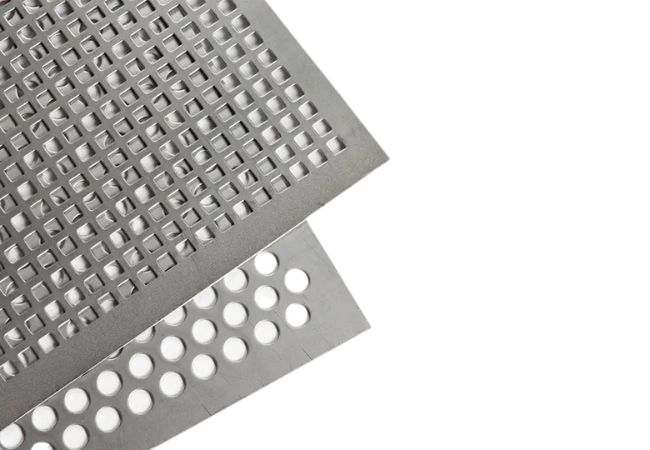
Galvanized perforated metal is exactly what it sounds like: perforated metal that has been coated with a layer of zinc, either by hot-dip galvanizing after perforation or by perforating pre-galvanized sheets. The zinc layer acts as a sacrificial barrier—it corrodes first, protecting the underlying steel. Compared to stainless steel, galvanized perforated sheet offers a significantly lower upfront cost while delivering excellent corrosion resistance for many common environments. It‘s not the right choice for extreme conditions like coastal salt spray or strong chemical exposure, but for the vast majority of outdoor, agricultural, and industrial applications, it hits the sweet spot between performance and price.
So where is galvanized perforated metal actually used? The applications span multiple industries, from building construction to agriculture, HVAC to security, and even interior design. Let‘s break down the most common uses.
Construction and Architecture
The construction industry is by far the largest consumer of galvanized perforated metal. Its combination of strength, weather resistance, and design flexibility makes it a go-to material for both functional and decorative building elements.
Building facades and cladding represent one of the most visible applications. Perforated galvanized panels are used as exterior screens that regulate light, provide ventilation, and add visual texture to building surfaces. ArchDaily features numerous projects where galvanized perforated metal plays a central role in facade design—from schools using different perforation densities to control daylight penetration, to cultural centers where perforated panels create dynamic light patterns at night.
Ceilings, stair treads, and infill panels also commonly use galvanized perforated sheets. The perforations allow for acoustic control and light diffusion while the galvanized coating ensures the material holds up in high-traffic indoor environments and covered outdoor spaces.
Sunshades and ventilation screens are another major category. Perforated panels mounted in front of windows or glass facades reduce solar heat gain without blocking airflow entirely. The result is a building that stays cooler in summer with less reliance on mechanical cooling.

Agriculture and Processing
The agricultural sector relies heavily on galvanized perforated sheet for equipment and infrastructure that must withstand outdoor exposure without breaking the budget.
Grain drying and seed sorting are classic applications. Perforated screens with precisely sized holes allow air to circulate through stored grain, preventing moisture buildup and spoilage. The same principle applies to seed cleaning and grading equipment, where perforated sheets separate materials by size.
Livestock fencing and enclosures frequently use galvanized perforated panels. The holes provide ventilation while the galvanized coating resists the corrosive effects of animal waste and outdoor moisture. Compared to stainless steel, galvanized is a more economical choice for large agricultural installations.
HVAC and Acoustic Applications
Galvanized perforated metal is a workhorse material in heating, ventilation, and air conditioning systems, as well as acoustic treatments.
Ventilation grilles and diffusers rely on perforated sheets to distribute air evenly while protecting internal components. The galvanized coating ensures these components resist condensation and humidity without corroding.
Acoustic panels and silencers are another major application. Perforated galvanized sheets form the facing layer of sound-absorbing panels, allowing sound waves to pass through to the acoustic insulation behind them. The perforation pattern and open area percentage are tuned to specific frequency ranges—typical acoustic panels use 5–10 mm holes with 30–45% open area. Highway and railway noise barriers are a common example of this application at scale.
Fencing and Security
Galvanized perforated metal is widely used in fencing, screening, and security applications where visibility and airflow are as important as physical barriers.
Perimeter fencing and security barriers made from perforated galvanized sheets offer a balance of strength, visibility, and corrosion resistance. Unlike solid panels, perforated fencing allows air to pass through—reducing wind load and making it more stable in storm conditions. It also provides a degree of visual screening without completely blocking sightlines, which is often required in parking structures, public spaces, and building perimeters.
Machine guards and protective covers in industrial settings also use galvanized perforated sheets. The perforations allow operators to see moving parts while the galvanized coating protects the guard from oils, coolants, and moisture commonly found in manufacturing environments.

Decorative and Interior Design
Beyond industrial and structural uses, galvanized perforated metal has found a place in interior design and furniture.
Furniture and shelving often incorporate perforated galvanized sheets for a modern industrial aesthetic. The material‘s durability and distinctive look make it popular for retail displays, office partitions, and custom storage solutions.
Decorative screens and room dividers use perforated patterns to create visual interest while maintaining some degree of transparency. The galvanized finish provides a consistent, matte gray appearance that complements both contemporary and industrial design schemes.
Why Choose Galvanized Over Stainless or Bare Steel?
The choice between galvanized perforated metal, stainless steel, and bare carbon steel comes down to three factors: environment, budget, and lifespan.
Galvanized perforated sheet is the middle ground. It offers better corrosion resistance than bare steel at a fraction of the cost of stainless steel. For most outdoor, agricultural, and general industrial applications—where exposure is moderate and budgets are a concern—galvanized is the optimal choice.
Stainless steel remains the preferred material for food processing, pharmaceutical, and marine environments where hygiene or extreme corrosion resistance is required. Bare carbon steel is suitable only for indoor, dry applications where rust is not a concern.
Conclusion
Galvanized perforated metal occupies a unique position in the materials landscape. It‘s not the cheapest option, nor is it the most corrosion-resistant. But for the vast middle ground of applications—construction facades, agricultural equipment, HVAC systems, security fencing, and interior design—it offers the best balance of durability, performance, and cost.
Whether you are specifying materials for a building project, designing agricultural processing equipment, or sourcing components for an HVAC system, galvanized perforated sheet deserves serious consideration. It delivers reliable performance in demanding environments without the premium price tag of stainless steel.
