Grating
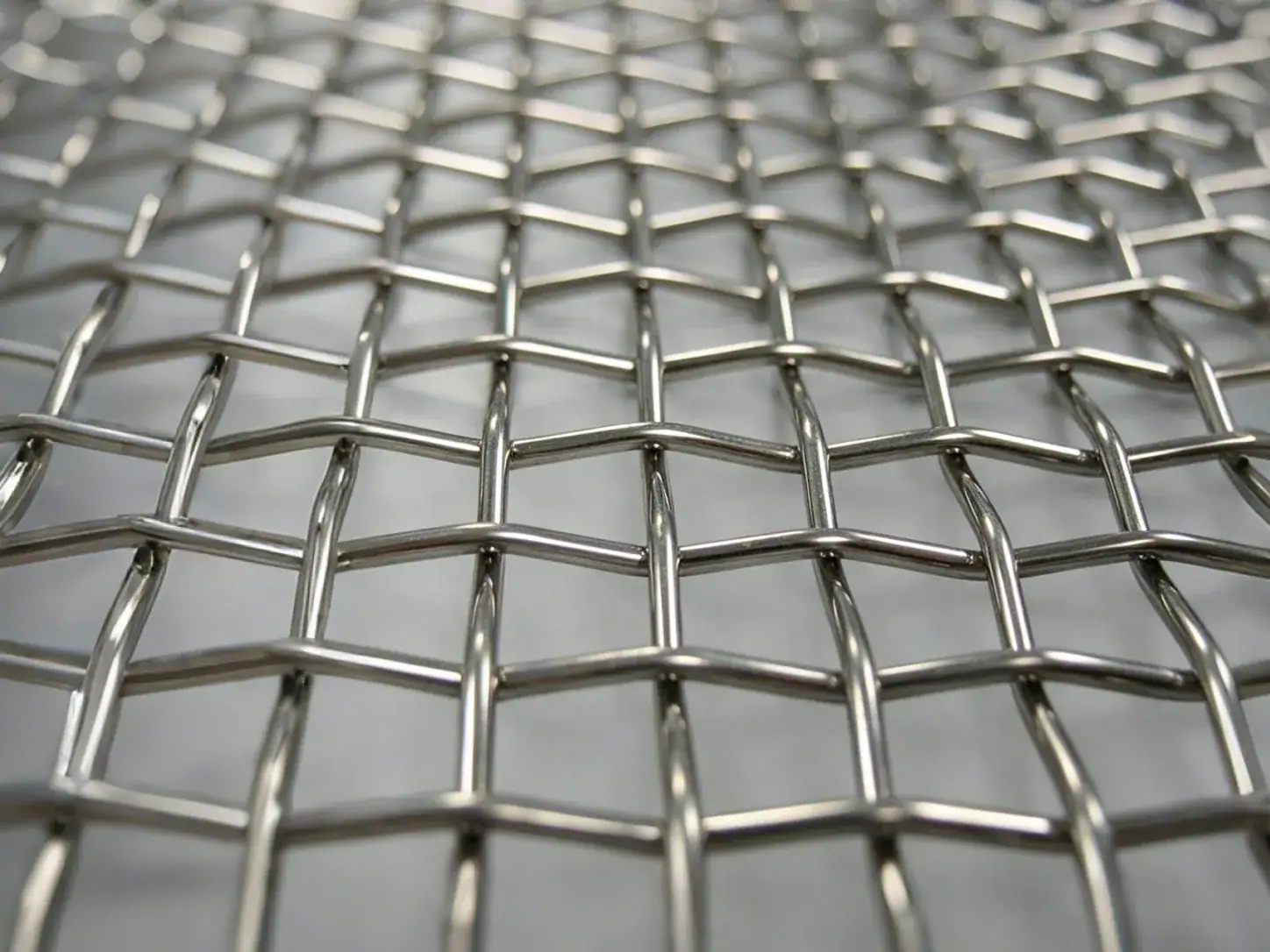
Xiongqian grating products are manufactured using high-strength bearing bars and cross rods, assembled through welding, press-locking, or swaging processes. Our grating provides an optimal combination of load-bearing capacity, open area, and safety for industrial and architectural applications.
We supply a wide range of grating types and materials, including carbon steel, hot-dip galvanized steel, stainless steel (304/316), and aluminum. Whether you need standard panels for walkways or custom cut-to-size trench covers, our factory-direct capabilities meet your exact project requirements.
Types of Grating
Xiongqian offers a wide range of grating types including bar grating, galvanized, drain, aluminum, and stainless steel – each with specific advantages in load capacity, corrosion resistance, and open area.
For detailed technical specifications and application guidance, please visit our specific grating product pages below.
Aluminum grating is manufactured from lightweight aluminum alloy (6061/6063), offering natural corrosion resistance.
It significantly reduces dead load on structures and is widely used for architectural facades, sunshades, rooftop platforms, and coastal projects. Read more about aluminum grating.
Galvanized grating is carbon steel grating that has been hot-dip galvanized after fabrication to ASTM A123 standards.
It provides excellent corrosion protection against rust and weather, making it the preferred choice for outdoor walkways, trench covers, and marine environments. Read more about galvanized grating.
Bar grating is the most common load-bearing panel, manufactured by assembling bearing bars and cross rods into a rigid open grid.
It offers excellent structural strength and high open area, making it ideal for industrial platforms, walkways, and stair treads. Read more about bar grating.
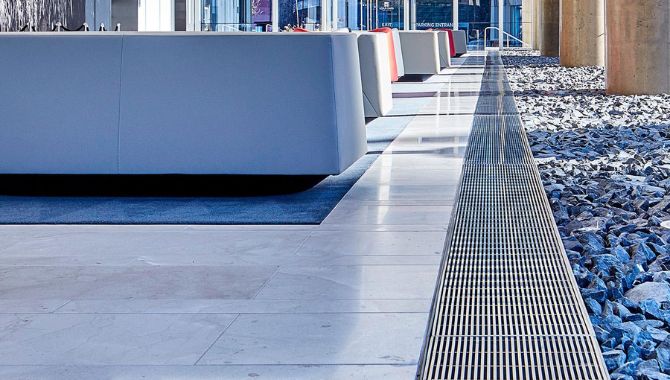
Drain grating features slotted or mesh designs specifically engineered for water intake and debris blocking.
It offers high drainage efficiency and load-class compliance (EN 1433), widely used for municipal trench drains, channel drains, and floor drainage systems. Read more about drain grating.
Stainless steel grating (304/316) is highly resistant to chemical corrosion and high temperatures.
It provides hygienic, easy-to-clean surfaces, making it the standard choice for food processing, pharmaceutical plants, and harsh chemical environments. Read more about stainless steel grating.
Material Comparison
Grating Material Comparison
| Material | Corrosion Resistance | Relative Weight | Best For |
|---|---|---|---|
| Carbon Steel | Moderate (requires coating) | 100% (baseline) | Heavy platforms, industrial floors |
| Hot-Dip Galvanized Steel | Good (ASTM A123 coating) | ~100% | Outdoor walkways, drainage, marine |
| Stainless Steel (304/316) | Excellent | ~100% | Food processing, chemical, hygienic areas |
| Aluminum | Good (natural oxide layer) | ~35% of steel | Architectural, rooftops, coastal |
Construction Types
Welded Grating
Bearing bars and cross bars are fused at every intersection using resistance welding. This is the most common and economical type, providing high strength and durability for industrial platforms and walkways. Read more about Welded Bar Grating.
Press-Locked Grating
Bearing bars and cross bars are locked together by high pressure without welding. This process produces a smooth surface and high rigidity, making it suitable for architectural applications and visible areas.
Swage-Locked Grating
Cross rods are permanently locked into bearing bars by a swaging press. It combines a clean appearance with structural integrity, commonly used where a finished look is required.
Riveted Grating
Cross bars are riveted to bearing bars, offering higher resistance to vibration and impact fatigue. It is ideal for rolling loads and heavy vehicle applications. Read more about Steel Grating.

Grating Benefits
Grating offers a unique combination of high strength, open design, and safety, making it the preferred material for industrial and architectural applications. Here are the key benefits of Xiongqian grating:
High Load Capacity with Reduced Weight: The open grid structure maintains excellent structural integrity while significantly reducing dead weight compared to solid steel plates. This lowers shipping and installation costs.
Excellent Open Area for Drainage and Ventilation: The large apertures allow water, air, light, and debris to pass through freely, preventing accumulation. This makes it ideal for drainage covers, walkways, and platform flooring.
Anti-Slip Safety Performance: Serrated (toothed) bearing bars provide superior traction for industrial walkways, stair treads, and ramps, significantly reducing slip hazards in wet or oily conditions.
Corrosion Resistance Options: Available in hot-dip galvanized steel, stainless steel, and aluminum to meet the demands of outdoor, marine, or chemically corrosive environments.
Fully Customizable & Easy Installation: Panels can be cut, banded, notched, and drilled in our factory to fit your exact dimensions. Various fastening options, including saddle clips and welding, ensure secure installation.
Applications for Grating
Xiongqian grating is widely used across global industries for its structural reliability and safety. Common applications include:
Industrial Walkways & Operating Platforms
Trench Covers & Drainage Grates
Stair Treads & Ladder Rungs
Mezzanine Floors & Catwalks
Security Fencing & Machine Guards
Architectural Facades & Sunshades
Vehicle Loading Ramps & Washdown Areas
Related Metal Products
Frequently Asked Questions About Grating
What is the difference between grating and expanded metal?
Grating is a heavy-duty load-bearing panel with deep bearing bars and large open areas, designed for structural flooring. Expanded metal is formed from a single sheet slit and stretched into a mesh, typically used for screening and protection rather than heavy flooring.
How do I choose the right grating material for my project?
Use hot-dip galvanized steel for general outdoor walkways and drainage. Choose stainless steel for food processing or highly corrosive chemical environments. Choose aluminum when weight reduction is critical, such as architectural facades or rooftop platforms.
What does 19-W-4 spacing mean?
19-W-4 is a standard spacing designation: bearing bars at 1-3/16″ on center, and cross bars at 4″ on center. It is the most widely specified spacing for general industrial platforms and walkways.
Can I get custom cut-to-size grating panels?
Yes. We offer custom fabrication services including cutting to size, banding, notching, and drilling. Provide your panel dimensions and cutout drawings, and we will deliver ready-to-install panels
How can I obtain the material certificate or test report?
Material test certificates (MTC) and galvanizing thickness reports can be provided upon request with your order.