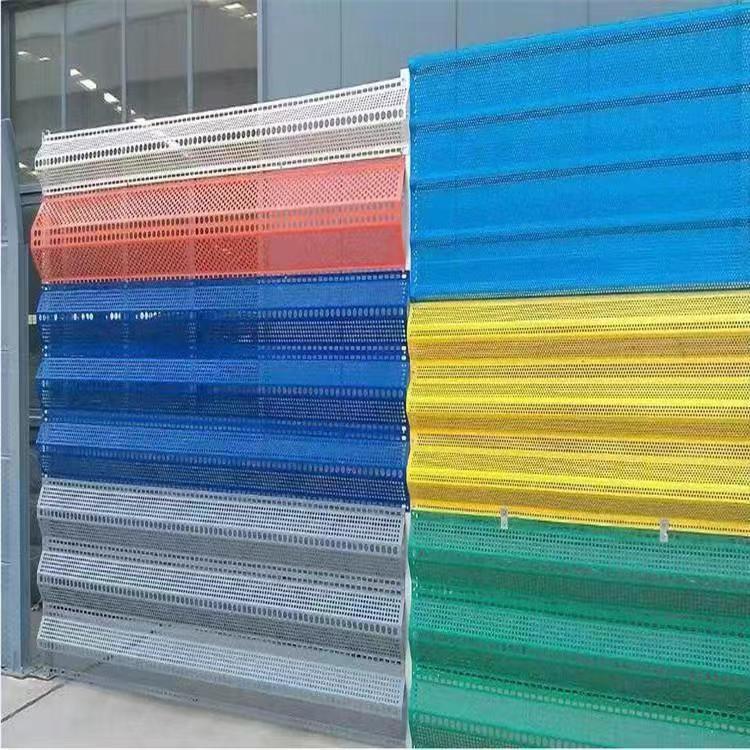


How to Make Your Fence Wind-Resistant: Essential Solutions
Extreme weather events are becoming increasingly frequent, making wind-resistant fencing essential for commercial and industrial sites. Whether protecting construction yards, agricultural storage facilities, or mining operations, a properly designed barrier can reduce wind speeds by up to 70% and prevent costly material losses.
Key Features of Wind-Resistant Fences
Perforated Materials – Solid fences can collapse under pressure. Optimal windbreak fencing uses specialized porous panels that allow airflow while reducing wind force.
Steel Reinforced Frames – Heavy-duty steel structures, galvanized for corrosion resistance, ensure durability even in coastal or high-wind regions (e.g., Australia and the Middle East).
Modular Design – Easy-to-install fences can be adjusted to various heights and densities to accommodate site-specific wind patterns.
Concrete Footings – Deep-set foundations prevent uplift in hurricane-prone regions such as the Gulf Coast and Southeast Asia.
Procurement managers should prioritize industrial wind fencing certified to meet local wind codes (e.g., ASCE 7 standards in the U.S.). Investing in high-quality wind barriers now prevents costly rebuilds later—an essential measure as climate risks increase.
For customized solutions, consult manufacturers who provide site-specific wind resistance testing. A windproof fence is not merely a barrier—it represents long-term risk management.