


Introduction
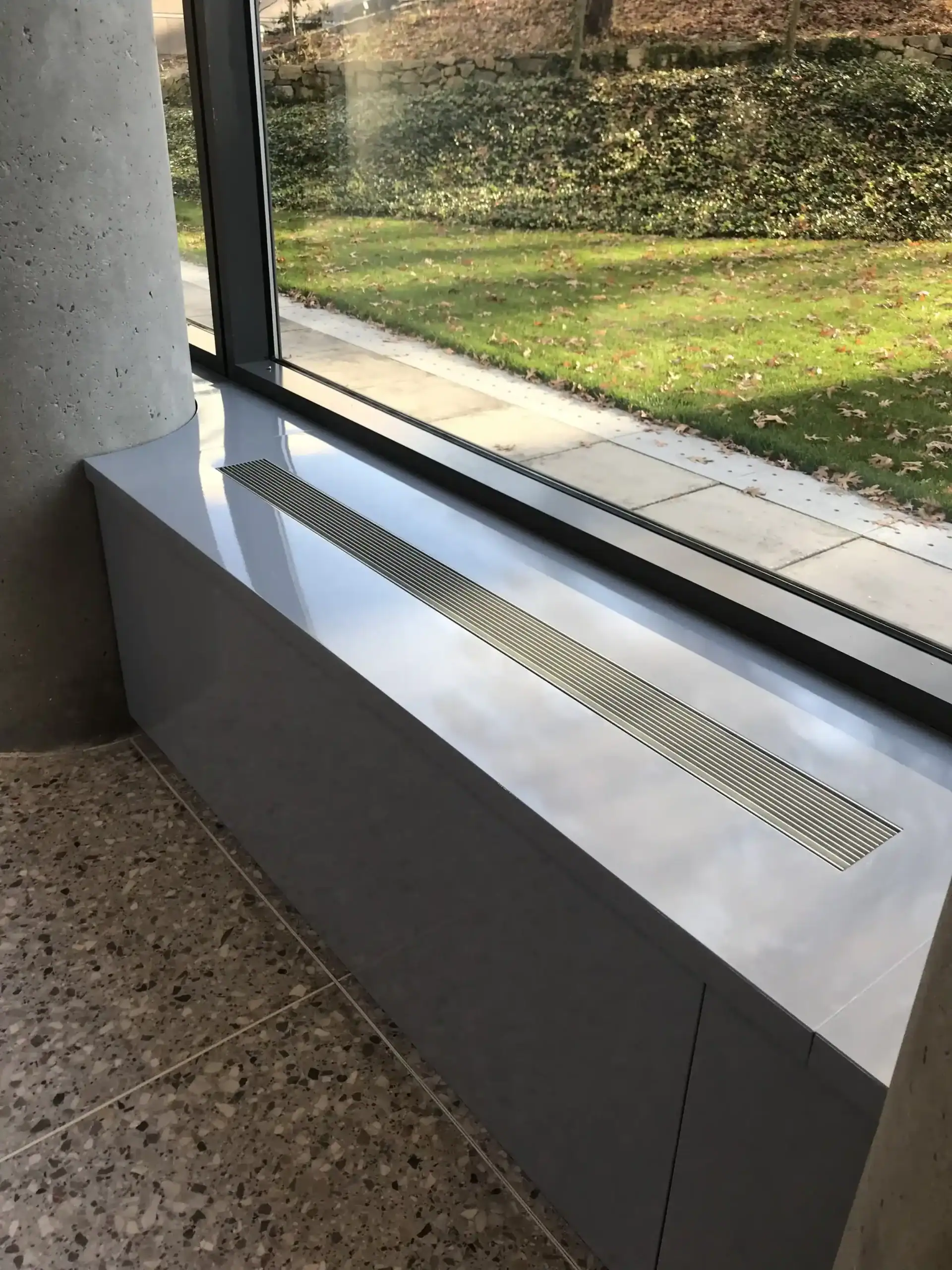
Radiator covers have evolved far beyond their original purpose of simply hiding unsightly heating units. Today, they serve as functional design elements that must balance three competing demands: efficient heat distribution, durability under thermal stress, and aesthetic integration with interior spaces. Among the various material options available, metal-based solutions—particularly stainless steel sheet, metal mesh, steel plate, and metal panel have emerged as the preferred choice for architects, facility managers, and homeowners who refuse to compromise on either performance or appearance.
Traditional wooden or MDF radiator covers, while affordable upfront, often succumb to the relentless cycle of heating and cooling. Over time, they warp, crack, and require frequent repainting or replacement. Metal covers, by contrast, offer a compelling value proposition: superior thermal stability, minimal maintenance, and design versatility that spans from minimalist modern to ornate traditional.
Stainless Steel Sheet: The Premium Choice for Longevity
Stainless steel sheet stands at the top of the radiator cover material hierarchy. Its chromium content—a minimum of 10.5%—forms a passive oxide layer that provides exceptional corrosion resistance and self-healing properties when scratched. This makes stainless steel sheet particularly suitable for environments where moisture, humidity, or cleaning chemicals are present.
Grade 304 stainless steel is the most commonly specified option for indoor radiator covers. It offers an excellent balance of corrosion resistance, formability, and cost. For coastal or high-salinity environments, grade 316—which incorporates molybdenum for enhanced chloride resistance—provides superior long-term protection.
Surface finish options further expand the design possibilities of stainless steel sheet. Brushed or satin finishes reduce fingerprint visibility and create a warm, matte aesthetic. Mirror-polished finishes deliver a high-end, reflective appearance suitable for luxury residential and commercial settings. Powder coating—available in virtually any RAL color—allows stainless steel covers to blend seamlessly with surrounding decor.
From a performance standpoint, stainless steel sheet maintains dimensional stability across the full range of operating temperatures. Unlike wood or MDF, it does not expand, contract, or warp under thermal cycling. With proper specification, a stainless steel radiator cover can easily exceed 20 years of service life with virtually no maintenance.
Metal Mesh: The Ventilation Essential
Metal mesh is perhaps the most functionally critical component of any radiator cover. Unlike solid panels that trap heat and restrict convective airflow, metal mesh allows warm air to circulate freely from the radiator into the room. This open structure is essential for maintaining heating efficiency—a solid cover can reduce heat output by blocking the natural convection that radiators rely on.
Several types of metal mesh are commonly used in radiator cover applications:
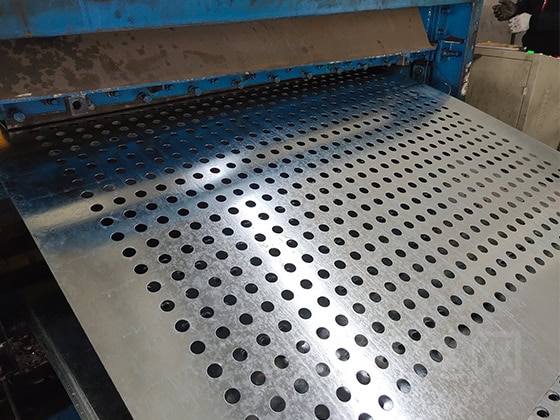
- Perforated metal mesh is produced by punching holes into a solid sheet. The hole size, shape (round, square, slotted, or decorative), and pattern determine both the open area percentage and the visual effect. Open areas typically range from 40% to 75%, with 60-75% considered optimal for maximizing heat distribution while maintaining visual concealment of the heating elements. Perforated mesh offers the advantage of precise, uniform openings and a flat surface on both sides.
- Woven wire mesh offers a fabric-like texture that appeals to designers seeking a softer, more tactile appearance. Available in stainless steel, brass, copper, and other metals, woven mesh can be tensioned over frames or integrated into panel assemblies. The interlaced structure provides excellent airflow while adding a handcrafted element to the design.
- Expanded metal mesh is manufactured by slitting and stretching a solid sheet, creating diamond-shaped openings without any material waste. The raised strands provide additional rigidity and a distinctive three-dimensional appearance that can be particularly striking in industrial or contemporary interiors.
When specifying metal mesh for radiator covers, the key performance metric is open area percentage. Higher open area allows more heat to pass through but reduces structural strength and visual opacity. For most residential and commercial applications, an open area of 50-65% provides the optimal balance of heat output, protection, and aesthetics.
Steel Plate and Metal Panel: Structural Backbone
Steel plate and metal panel form the structural framework of most metal radiator covers. While metal mesh provides the ventilated face, the surrounding casing, top, and sides are typically fabricated from steel plate or metal panel to ensure rigidity and durability.
Mild steel: available in thicknesses ranging from 1.5mm to 3.0mm, is the most common material for the casing. It offers excellent strength-to-cost ratio and can be easily formed, welded, and finished. For applications requiring additional corrosion protection, galvanized steel or Magnelis-coated steel provides enhanced durability. Stainless steel is also available for the casing when uniform material appearance and maximum corrosion resistance are required.
Metal panel design options extend beyond simple flat sheets. Panels can be fabricated with folded edges for increased rigidity, embossed patterns for visual interest, or integrated mounting flanges for simplified installation. The versatility of metal panel fabrication allows for custom sizing to accommodate non-standard radiator dimensions, making it possible to achieve a seamless, built-in appearance.
For specialized environments—such as mental health facilities, custodial settings, and behavioral care units—steel plate radiator covers are engineered with anti-ligature and tamper-resistant features. These covers use 2.0mm steel casings with perforated mesh ventilation panels and tamper-resistant fixings selected to specific risk profiles. Top configurations can be specified as flat or sloping (30° or 45°) to align with local safety requirements.
Design Flexibility and Customization
One of the most compelling advantages of metal radiator covers is their design flexibility. Unlike wood or MDF—which are limited by material constraints and fabrication methods—metal materials can be shaped, perforated, and finished in virtually endless variations.
Perforated metal mesh panels can be customized with hole patterns ranging from simple circles to intricate geometric or floral designs. The size, spacing, and density of perforations can be varied across a single panel to create gradients, imagery, or branded patterns. This capability has made perforated metal a favorite among architects and interior designers seeking to make a design statement while maintaining functional performance.
Color and finish options further expand the design palette. Powder coating provides a durable, scratch-resistant surface available in virtually any RAL color. Stainless steel can be brushed, polished, or left with a mill finish. Brass and copper options bring warmth and a natural patina that develops over time. This breadth of options ensures that metal radiator covers can complement any interior style.
Selecting the optimal material for a radiator cover project requires evaluating several key factors:
① Environment and Exposure
Dry indoor environments → Stainless steel sheet (grade 304) or powder-coated steel plate are both suitable.
Coastal or high-humidity areas → Stainless steel sheet (grade 316) provides superior chloride resistance.
High-traffic commercial or institutional settings → Steel plate (2.0mm or thicker) with anti-ligature features for safety-critical applications.
② Thermal Performance Requirements
Maximum heat output → Choose metal mesh with 60-75% open area. Avoid solid or low-open-area designs that restrict convection.
Balanced heat and concealment → Select metal mesh with 40-60% open area.
③ Aesthetic and Design Goals
Modern/minimalist → Stainless steel sheet with brushed finish + large-hole perforated mesh.
Industrial/contemporary → Expanded metal mesh or steel plate with visible fasteners.
Traditional/heritage → Brass or copper metal mesh with ornate patterns.
④ Budget and Lifecycle Cost
Lowest upfront cost → Powder-coated steel plate with standard perforated mesh.
Best long-term value → Stainless steel sheet (304) with quality metal mesh—higher initial investment, but 20+ year service life with minimal maintenance.
Conclusion
The choice of material for a radiator cover is not merely a cosmetic decision—it directly impacts heating efficiency, maintenance costs, and the longevity of the installation. Stainless steel sheet offers the ultimate combination of corrosion resistance and design flexibility for premium applications.
Metal mesh—whether perforated, woven, or expanded—provides the essential ventilation that allows radiators to perform at their designed capacity. Steel plate and metal panel deliver the structural integrity and customization options required for both standard and specialized installations.
By carefully evaluating the operating environment, thermal requirements, design objectives, and lifecycle cost considerations, specifiers can select the optimal metal solution for their radiator cover project. The result will be a cover that not only enhances the appearance of the space but also performs reliably for decades to come.
